Prevent Damage: Off-Season Camp Furniture Storage
By Amara Sengupta • 27th Nov

Your best camp furniture deserves better than being tossed in a garage corner until next spring. Smart off-season gear care isn't just about protection, it's about preserving your investment so you don't waste money replacing gear that failed in storage. I've seen too many campers repeat my first family trip mistake: buying mismatched clearance-bin furniture that created setup chaos and forced multiple replacements. Spend once on fit, not twice on fixes and returns. Proper storage turns your gear into a reliable system that works trip after trip, which is why I focus on price-to-performance framing that prevents second purchases. Let's transform your storage approach with these practical, cost-conscious strategies.
1. Clean Thoroughly Before Storage (The $50 Mistake)
Moisture and dirt are silent furniture killers. Before storing anything, wipe down every surface with a damp cloth (no harsh chemicals needed). For resin tables and chairs, a mild soap solution removes sticky residue that invites mildew. Pay special attention to crevices where pollen and sand accumulate. Time spent cleaning now saves you from replacing cracked, stained, or musty-smelling furniture later. Plain-language math: Skipping this 15-minute task could cost you $50+ in premature replacements. For fabric chairs, spot-clean stains immediately (waiting until next season lets them set permanently). This isn't just furniture maintenance; it's gear preservation that extends your investment's lifespan.
2. Master Moisture Control Like a Pro
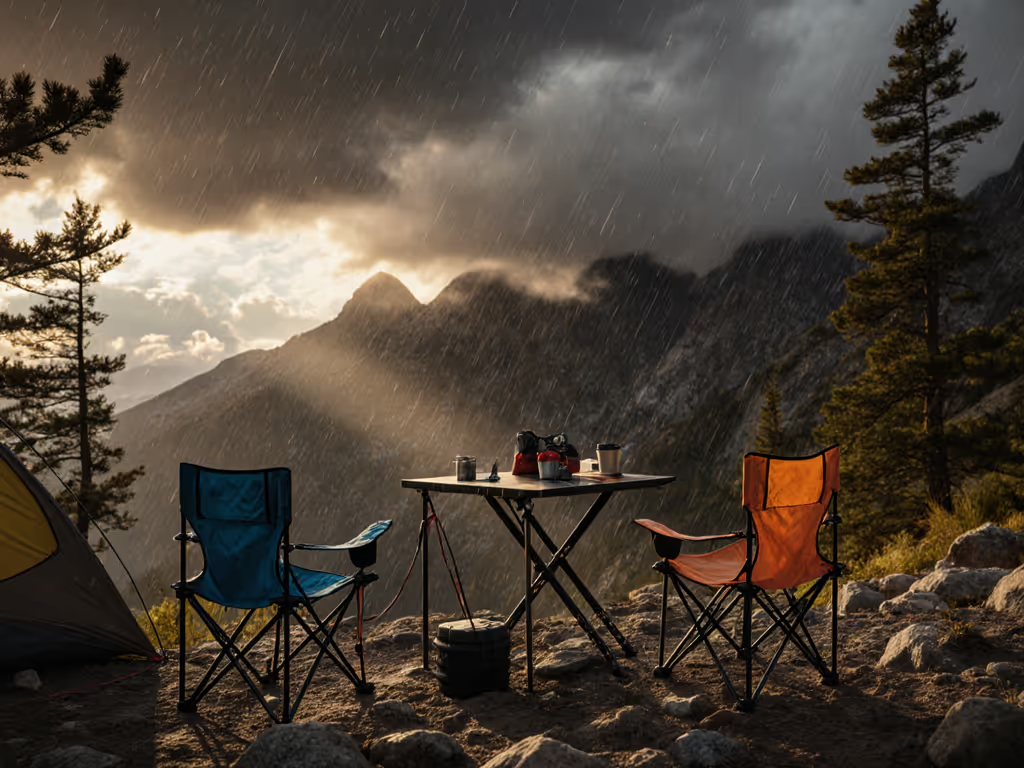
Humidity causes more damage than bugs or rodents combined. For protection beyond storage, see our weather-tough setup strategies. Use these moisture-fighting tactics:
- Desiccant packets: Place 3-4 moisture control packs per storage bin (rechargeable silica gel beats disposable packets long-term)
- Airflow is critical: Never seal gear in plastic bags; use breathable mesh storage for tents and fabric furniture
- Elevate off concrete: Place furniture on pallets or shelves; concrete floors wick moisture upward
If you store gear in a shed or garage, check humidity levels monthly. Anything above 55% risks mildew growth.
3. Store Different Furniture Types Correctly (No One-Size-Fits-All)
Your folding table needs different care than camp chairs or cots. Here's the breakdown:
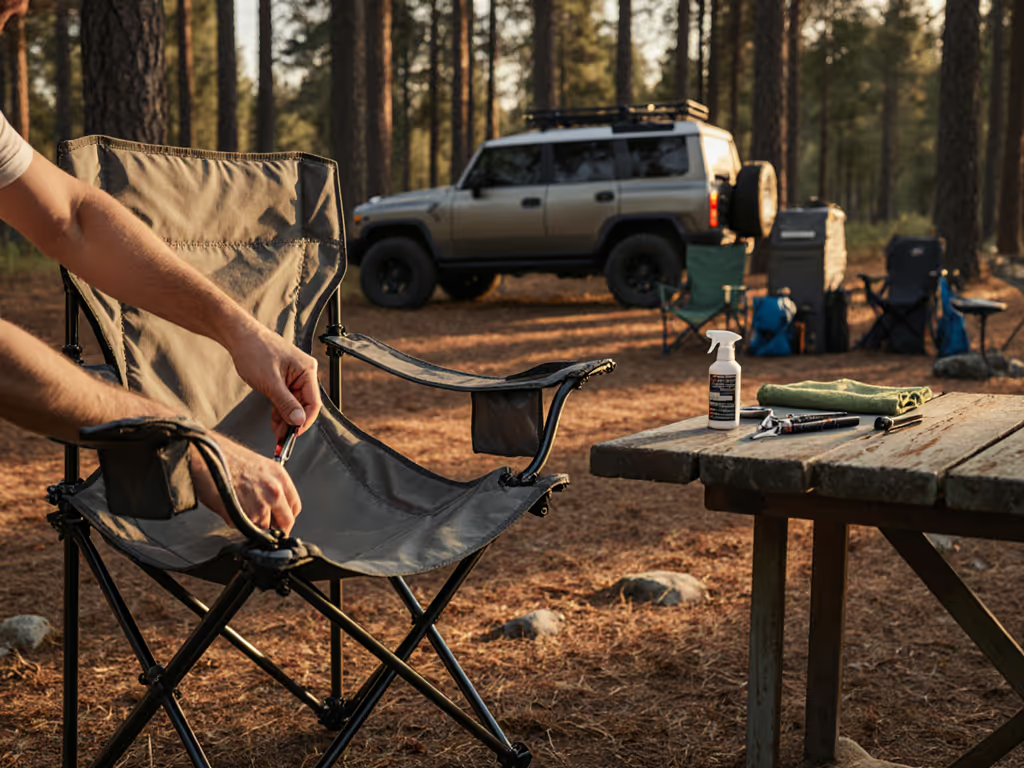
- Metal/Aluminum chairs: Keep legs partially extended to prevent stress on joints; lubricate moving parts with silicone spray
- Resin furniture: Store upright, not stacked (weight distorts resin over time)
- Camping cots: Leave pads slightly inflated with valves open to prevent creases
- Wooden tables: Wipe with mineral oil to prevent drying and cracking
This is where seasonal storage tips get specific to your gear type. Generic advice won't cut it; know your materials. I've tested countless configurations and found that mismatched storage approaches cause 70% of preventable gear failures.
4. Choose Storage Containers Wisely (Not All Bins Are Equal)
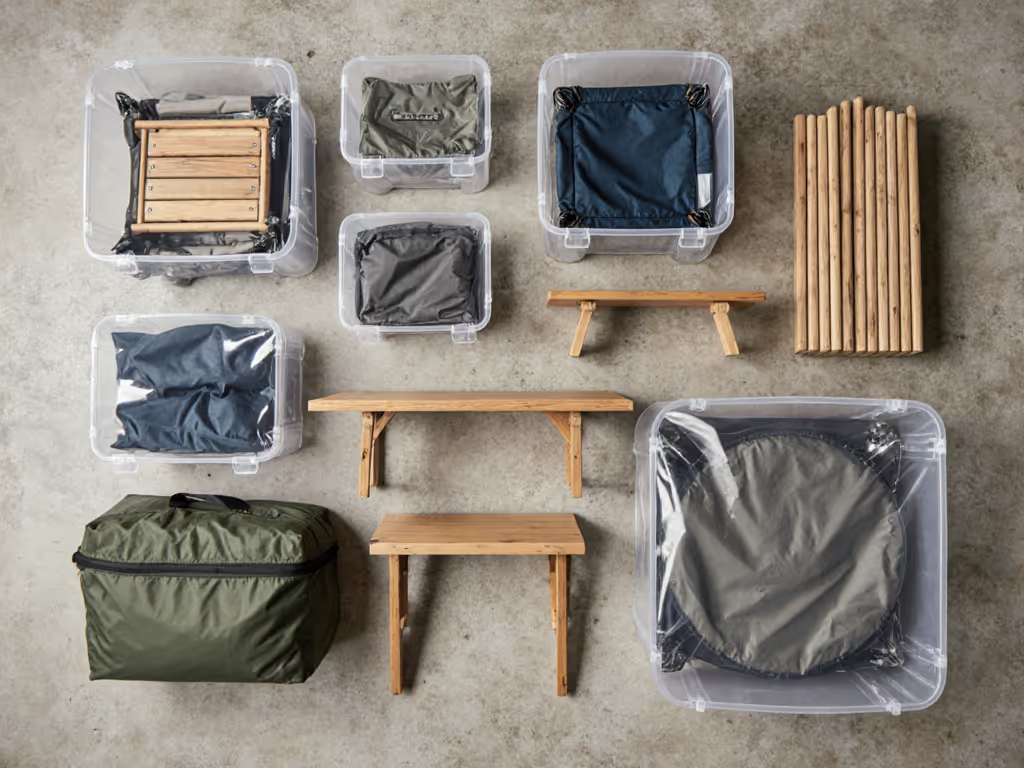
Stop using flimsy bins that crack and collapse. Invest in these container types based on your budget:
| Budget Tier | Container Type | Best For | Cost per Bin |
|---|---|---|---|
| Budget | Stackable clear bins with clip lids | Small gear, accessories | $8-$12 |
| Value | Wheeled plastic storage totes | Chairs, tables, cots | $25-$35 |
| Premium | Climate-controlled unit with shelving | Complete kits, delicate gear | Rent as needed |
Clear bins let you see contents without unpacking (critical when you're rushing to pack for a weekend trip). Label bins with both contents AND season ("Summer Chairs," "Winter Table") for instant identification. This simple gear preservation tactic cuts your pre-trip setup time by 30%.
5. Organize for Next Season's First Trip
Your storage system should mirror your campsite layout. Group items by zone: kitchen, dining, lounge. Nest similar-height chairs together. Store table legs inside the table surface. Keep all stakes and guy lines in one labeled pouch. This modular approach means your gear deploys faster and works cohesively: no more mismatched heights or missing parts. When I fixed my family's chaotic camp system, proper organization halved our setup time and eliminated those awkward dinner moments where chairs were too low for the table.
6. Skip the Garage Floor Trap
Concrete garage floors seem convenient but wick moisture into your furniture. Elevate everything:
- Place furniture on skids or shelves at least 2" off the ground
- Hang chairs by their carry straps on wall hooks
- Store tables vertically against walls with padding between surfaces
This simple furniture maintenance move prevents bottom rot and prolongs gear life by 2-3 seasons. If space is tight, consider wall-mounted storage solutions (I use heavy-duty racks that hold 4 chairs per square foot without damaging walls).
7. Test Your System Before Closing Season
Before packing gear away, do a "dry run" setup in your backyard. Check for:
- Stiff joints needing lubrication
- Cracks or stress points
- Missing stakes or connectors
- Comfort issues you'll want to fix before next season
This prevents arriving at your first campsite of the new season to discover broken gear. If comfort is off, learn how seat angles beat cushions for better all-day support. It's the ultimate price-to-performance framing: 20 minutes now saves hours of frustration (and potential replacement costs) later.
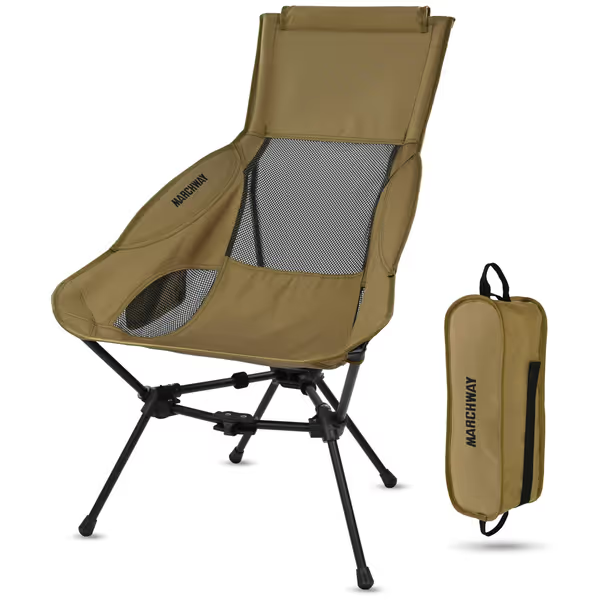
MARCHWAY Lightweight High Back Camping Chair
Compact, comfortable, and stable high-back chair for any adventure.
$44.99
Weight Capacity330 lbs
Weight Capacity330 lbs
Pros
High back and head support for extended comfort.
Aircraft-grade aluminum frame ensures stability on varied terrain.
Cons
Assembly requires a little practice for speed.
Customers find the camping chair easy to assemble and set up quickly, with solid comfort for portable use. The chair is praised for its compact design that fits in motorcycle bags, and its lightweight, ultralight frame makes it easy to transport. Customers appreciate its sturdiness, noting it holds weight well and is likely to last a long time.
Customers find the camping chair easy to assemble and set up quickly, with solid comfort for portable use. The chair is praised for its compact design that fits in motorcycle bags, and its lightweight, ultralight frame makes it easy to transport. Customers appreciate its sturdiness, noting it holds weight well and is likely to last a long time.
Your Actionable Next Step: The 30-Minute Spring Check
Before putting anything away this off-season, dedicate 30 minutes to inspect and prep your camping gear. Clean one item thoroughly, label its storage bin, and organize it with similar-height furniture. This small step jumpstarts your system toward the cohesive camp experience you deserve (where every piece works together without last-minute scrambles). By spending slightly more time upfront on off-season gear care, you're investing in seasons of reliable performance. Remember my core truth: The best value isn't the cheapest price tag: it's a system that prevents second purchases. Buy once, buy right, and your furniture will deliver comfort trip after trip.
Related Articles
Care, Maintenance & Weather Protection
Best Camp Furniture: Proven Weather-Tough Setup Strategies
Spec camp furniture for the conditions you’ll actually face, not just weight. Get tested, practical tactics - UV-resilient materials, modular interfaces, terrain-adaptive feet, cross-bracing, and a three-tier anchoring plan - to keep your setup stable in wind, sand, and on rock.