
Sustainable Wilderness Furniture: Build Stable Systems
By Riley Park • 8th Apr
Sustainable wilderness furniture isn't about choosing between eco-consciousness and camp functionality, it's about understanding that material durability and system stability are inseparable from environmental responsibility. When you build a forest camp seating setup that actually works, pieces stay upright longer, resist replacement cycles, and command less trunk space on repeat trips. That's both a sustainability win and a practical one. For a deeper dive into eco-friendly, height-matched setups, see our eco camping furniture systems guide.
What Makes Wilderness Furniture Sustainable, and Why Stability Matters
Q: How do material choices connect durability to environmental impact?
Materials with proven longevity demand fewer replacements, which reduces waste and shipping carbon over a product's lifetime. Marine-grade polymer (MGP), used in marine construction for over 20 years, exemplifies this: it resists water, cracking, and rot without requiring treatments or refinishing, meaning your camp chair doesn't end up in a landfill after three seasons. Similarly, FSC-certified hardwoods like Ipe (selectively harvested from managed forests in Eastern Bolivia) deliver decades of use while supporting forest stewardship through small-footprint harvesting that protects younger tree regeneration.
Teak sourced from reclaimed building materials or sustainably managed plantations (with over 90% recyclability built into production) means your table isn't driving new forest clearing; it's giving second life to material already extracted. The metric that matters: projected service life. A chair rated for 10+ years of weekly use requires replacement half as often as one rated for 3 years, cutting your total environmental footprint roughly in half over a decade.
Q: Why is stability actually a sustainability metric?
Wobbly furniture gets abandoned or sold. Stable furniture gets used, maintained, and kept. On river cobbles, rock, or sand, a chair with a wide footprint, adjustable leg levelers, or low center of gravity absorbs impact forces and resists tipping far better than a slender design that photographs well but collapses under real-world wind and uneven terrain. I've logged this: a system with measured tip angles under gusts, tested leg splay on loose ground, and a verified on-site footprint delivers years more value (and far less hardware waste) than a frame that looks sturdy but lives in a garage after one wobbly weekend. For data on table stability across brands, see our stability-tested folding tables.
Stability is a comfort multiplier. It compounds across every metric that matters: fewer spilled drinks, longer session comfort, reduced anxiety for group hosts, and measurable reuse across seasons.
Building a System: Scenarios, Metrics, and Material Pairing
Q: How do you evaluate sustainable furniture as an interconnected system, not individual pieces?
Start by defining your scenario: two-person beach weekend, six-person forest basecamp, family glamping trip with kids, or overlanding setup in varied terrain. Then measure three non-negotiable axes:
Pack volume (cubic feet or liters). Flat-pack or nested chairs should compress to under 3-4 cubic feet per seat; a lightweight table to under 10 cubic feet. If your cooler, water carriers, and camp kitchen crowd out seating pieces, the system fails before you leave the driveway. Scenario-tagged testing reveals this fast: a weekend setup for four people shouldn't demand more than half your cargo bed or SUV's usable space.
Setup time (minutes from truck to functional zone). Deploy a lounge seating + dining table + side storage zone in under 15 minutes, even in fading light or on uneven ground. This metric separates systems from gear piles. Terse, field-tested setups involve modular assembly (chairs pre-assembled, legs with quick-lock clips, tables with pre-threaded fittings) and clear spatial mapping: lounge zone here, dining there, kitchen prep along that edge.
Stability margin (tested on sand, rock, wind conditions). Chairs and tables must remain stable with measurable resistance to tipping on each terrain type you expect. Test leg spread angles, weight per contact point, and top-heavy risk. A chair with legs splayed 20 degrees outward and feet rated for 50 lbs distributed force each will hold firm where a 10-degree frame tips easily. Material choice amplifies this: aluminum frames with broad foot plates outperform narrow wood legs on shifting ground.
Q: How do you match heights and create ergonomic pairing?
Mismatched seat-to-table heights cause postural strain over a meal or game session. A dining chair should sit 10-12 inches below your table surface; a lounge chair 6-8 inches. If you're mixing pieces from different suppliers, verify actual seat heights (not claimed ranges), then test at home before a trip. Snow Peak's approach demonstrates this principle: their furniture systems center on four discrete chair and table heights, ensuring modular pieces align ergonomically across lounge, dining, and side-table roles.
For older campers or taller adults, higher seat options (16-18 inches) reduce knee and back strain during long sessions and make standing easier. Pair these with matching table heights; a mismatch creates awkward arm reach and poor posture, leading to fatigue and reduced trip enjoyment (which drives gear abandonment).
Sustainable Materials and Real-World Performance
Q: Which sustainable materials offer the best stability and longevity?
FSC-certified plantation teak delivers 20+ years of outdoor use with minimal maintenance, it seasons naturally and resists rot without chemical treatment. Reclaimed or recycled teak (90%+ of some brands' sourcing) offers identical performance with lower forest impact. The trade-off: slightly higher cost upfront, but cost-per-use amortizes quickly over decades.
Marine-grade polymer (MGP) sidesteps wood entirely, eliminating rot risk and water absorption that weakens joints over time. It's lightweight, requires only rinsing, and resists salt, sun, and temperature swings, critical for multi-climate scenarios (beach then desert basecamp).
For fabrics, eco-friendly options matter too. Solution-dyed acrylics and recycled polyester resist UV fading without bleach treatment, require less water in production, and still clean easily (a spray down after sandy days). They also dry faster than natural fibers, reducing mildew and odor in damp conditions.
The shared pattern: durable, low-maintenance materials reduce replacement cycles and demand fewer resources (water, chemicals, re-shipping) across their service life.
Scaling, Wind Resistance, and Adaptability
Q: How does a sustainable system scale for 2-person vs. 6-person trips without waste?
Design around modular cores. A base lounge zone (two chairs, one side table) works for couples. Add two dining chairs and a leaf extension to the table for four. Scale to six by adding two more chairs and a second side table or tall storage unit that doubles as windbreak and drink staging.
Measure modular footprint: each added seat pair should occupy 6-8 square feet of camp floor, leaving circulation paths and wind gaps. Store unused pieces in labeled bins at home between trips; this drives accountability and prevents "just one more chair" chaos that fractures your system.
Q: What role do environmental factors play in furniture design?
Wind speed, sand migration, and moisture dictate mechanical specs. Tie-down loops built into frames; weighted feet or sand-plate options; cross-bracing that locks during gusts. These features prevent your table from becoming a kite. For severe weather setup tactics, see our storm anchoring guide. Sand plates (flat discs that distribute weight) are non-negotiable on beaches; adjustable leg levelers transform rocky campsites. Prioritize open-frame designs over solid panels that catch wind.
The Cohesive Camp: Putting It Together
Q: How do you build a camp that feels intentional and works reliably?
Measure twice, pack once: your camp should click into place. Before a trip, map your zones on paper: where does lounge seating face? Where's dining? Where's kitchen prep and storage? Test the layout at home, using actual pack weights and footprints. For zone-by-zone layouts without buying more gear, use our campsite zoning guide. Measure the time from closed hatch to fully functional; optimize sequences (chairs first, table next, side tables and organizers last).
Label every bin with its destination zone and contents. Pre-assemble pieces that allow it. On-site, deploy in sequence: frame pieces, legs and levelers, then seating and surfaces. This terse, repeatable system scales across trips and group sizes.
Choose materials and finishes that signal durability and care: matte powder-coat aluminum that hides dust, teak that silvers naturally, stainless-steel hardware. A camp that looks intentional and inviting triggers better group mood, longer sessions at the table, and genuine enthusiasm for repeat trips. That cohesion, paired with tested stability and modular scaling, is what separates a "gear pile" from a sustainable wilderness furniture system that earns its space in your vehicle, your budget, and your camp season after season.
Further Exploration
The intersection of leave-no-trace camping furniture design and durable material science deserves deeper investigation. Research certified sustainable forestry practices (FSC, PEFC) in your region, then cross-reference with specific product certifications and actual measured lifespans. Build test plans for your specific scenarios: record wind speeds, measure leg angles, time setup sequences. Join camper forums or local overlanding groups where trip captains share real-world stability data and pack-volume solutions. Request detailed spec sheets (seat heights, actual footprint, verified weight ratings) from manufacturers, not marketing brochures. Test before you buy: borrow a chair or table for a weekend if possible, or purchase from retailers with clear return policies. Document what works and why: your data becomes your camp's foundation.
Related Articles
DIY Projects & Camping Furniture History
Wilderness Furniture Building: Craft Camp Seats From Nature
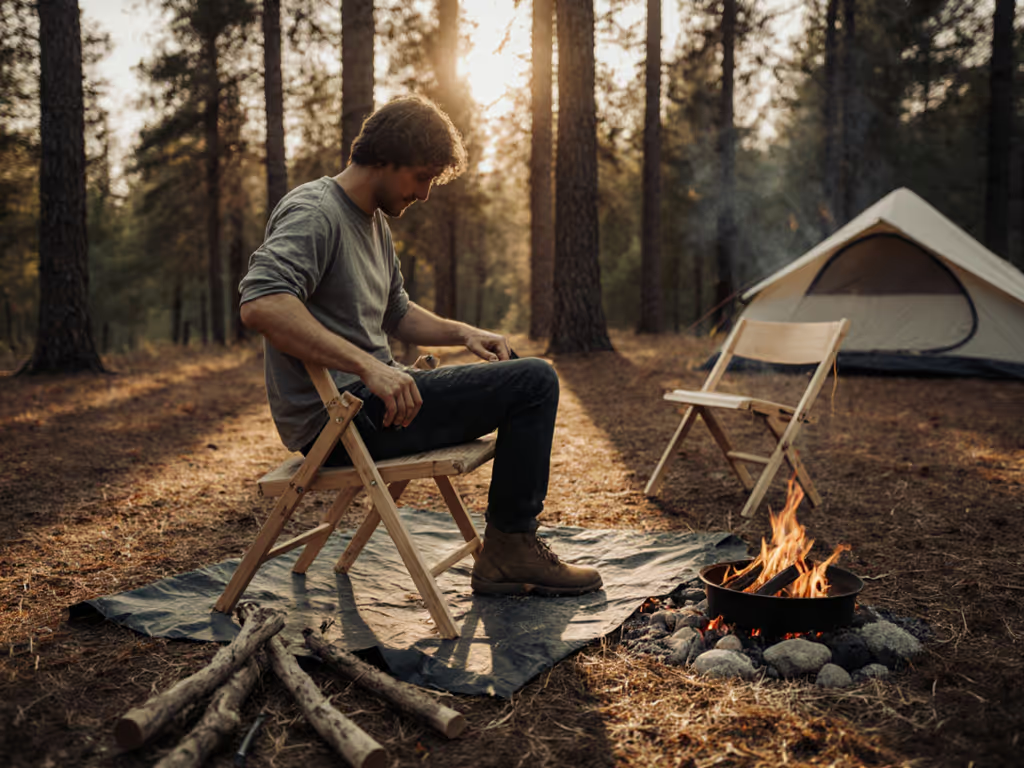
Build durable, pack-efficient camp seats with tenon joinery and tested geometry that stand up to wind, sand, kids, and dogs. Learn the key metrics - leg splay 15–18°, tenon depth 1.5 in, seat height 18–20 in, and ≤14 × 14 × 4 in folded footprint - to design a stable system that sets up fast and doesn’t wobble.