Biodegradable Camping Textiles: Guilt-Free Camp Setup
By Nadia Okoye • 17th Dec
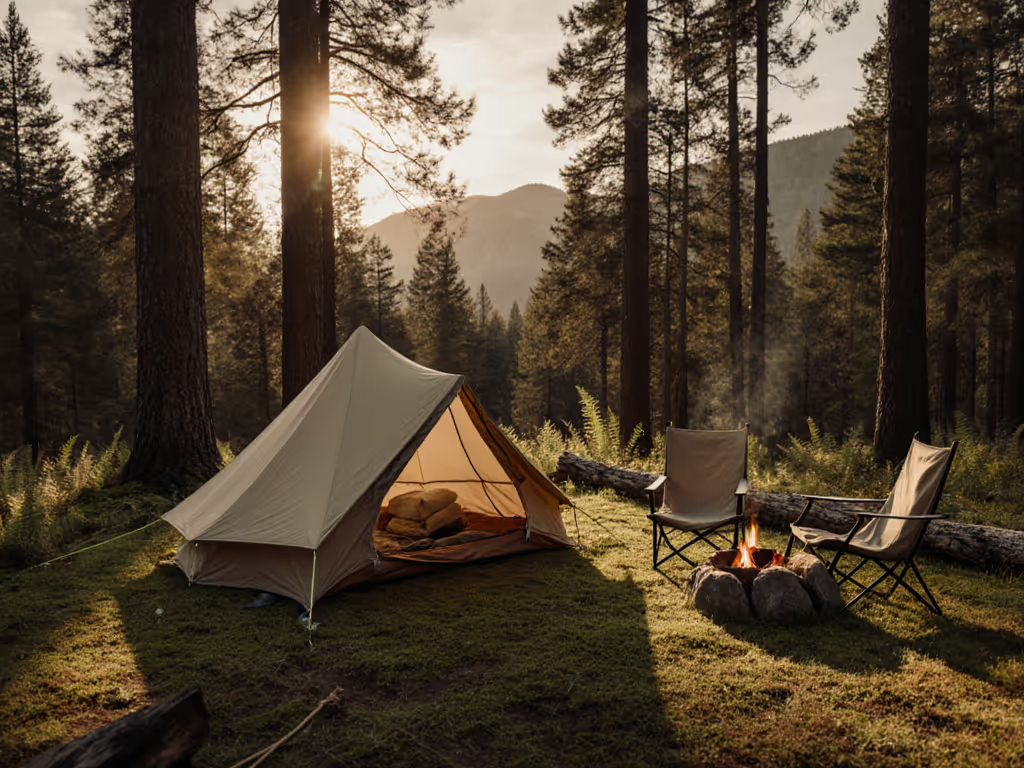
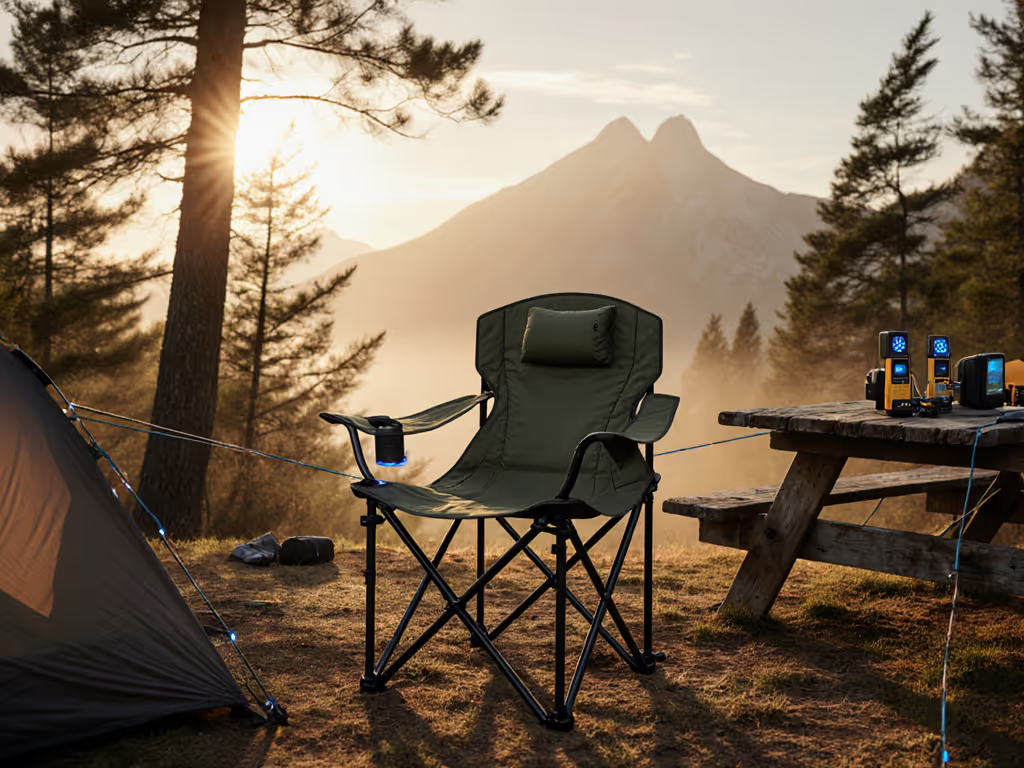
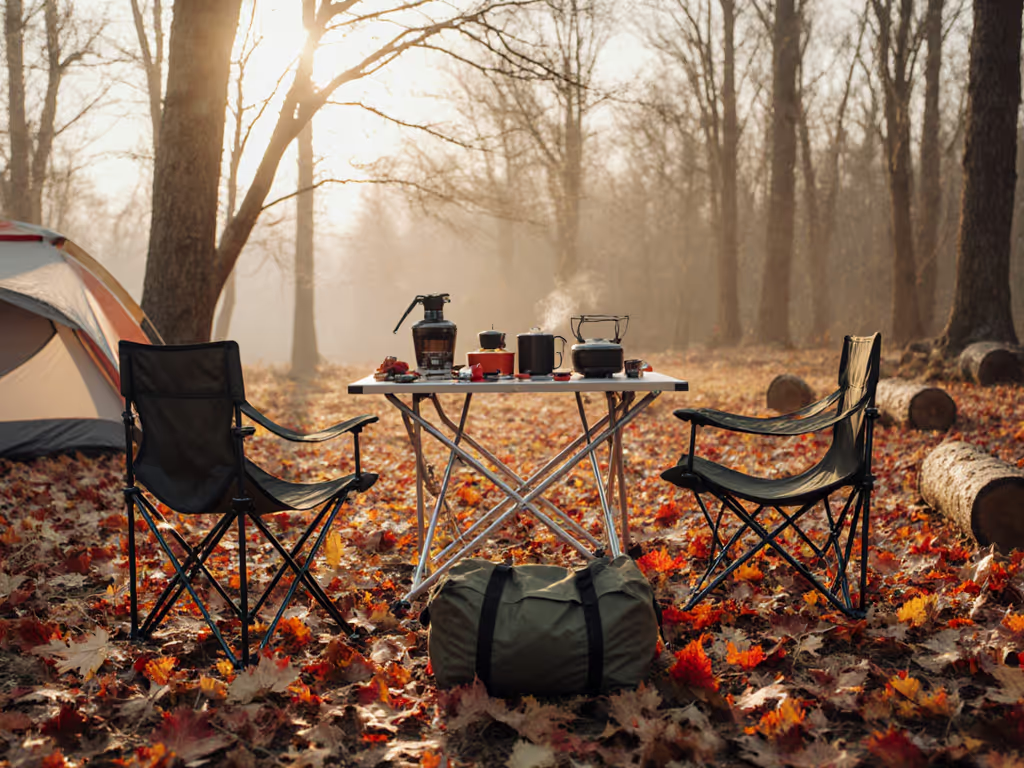
When you're racing to establish your campsite as daylight fades, the last thing you should worry about is whether your gear will outlive you by centuries. Biodegradable camping textiles and eco-friendly outdoor fabrics now deliver the performance you need without the legacy of microplastics and landfill waste. These materials transform how we choreograph our arrival sequence, because a smooth setup isn't just about speed, it's about creating a temporary home that leaves no trace behind. As someone who's mapped campsite flows for thousands of families, groups, and festivals, I've learned that choreographed setup begins with choosing materials that align with your values and your timeline.
Setting the Stage: Why Biodegradable Matters for Your Campsite Sequence
The Setup-Dump Problem
Most campers arrive exhausted and dump gear in the first clear spot they find, only to spend 20 minutes untangling wicker chairs from a folded table leg. This chaos creates environmental consequences most never consider: conventional polyester camping textiles take 200+ years to decompose. Every time you lose a stuff sack strap or tear a chair sling, you're adding to that invisible footprint. Enviro-friendly outdoor fabrics break down safely, so even if a strap snaps during your 06:00 AM coffee ritual, it won't haunt the next generation of campers.
The Performance Paradox
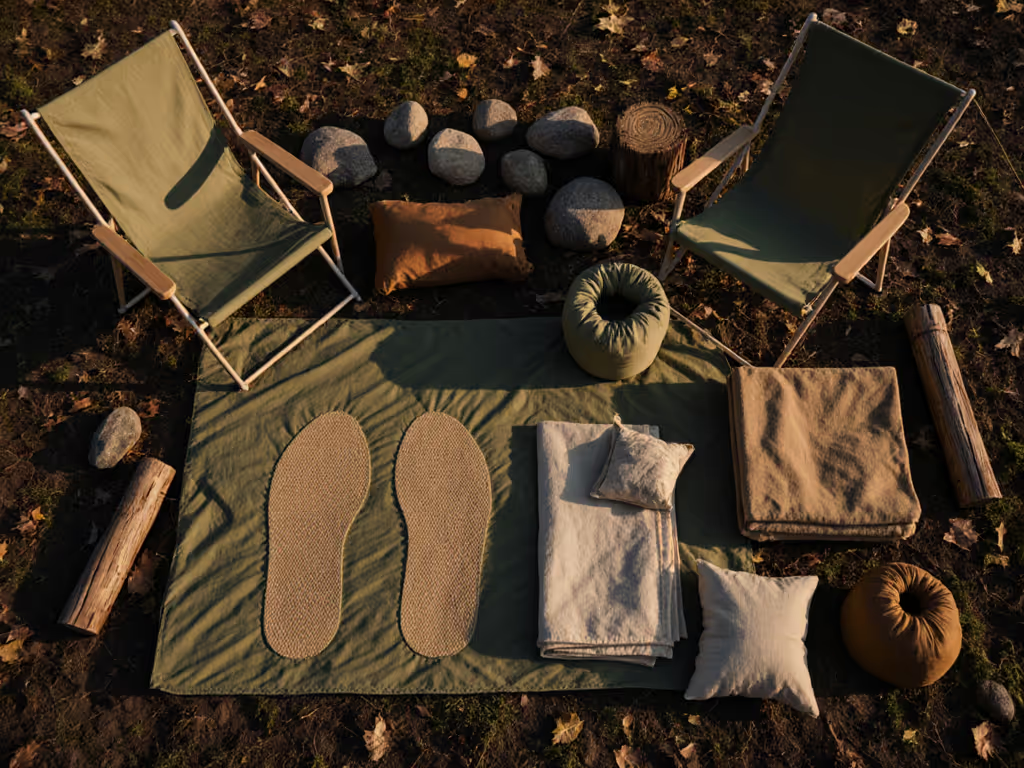
"But do they last?" I hear this weekly from planners who've been burned by flimsy "eco-gear." The truth: modern sustainable camping materials surpass synthetics in critical areas. Bamboo-based camp cushions (like those using lyocell fibers) offer 30% more breathability than polyester mesh (meaning no more sticky backs during summer hikes). Hemp awning fabrics develop natural UV resistance without chemical treatments. For a deeper look at UV, water, and mold performance, see our weather-resistant camping fabrics comparison. Organic cotton canopies create cooler shade zones by wicking moisture 50% faster. These aren't compromises; they're upgrades that make your setup sequence smoother from minute one.
setup is choreography
The Choreographed Deployment: Timing Biodegradables for Maximum Impact
Phase 1: Windbreak-Worthy Textiles (0-5 Minutes)
Your first deployable item should always be a windbreak (especially with kids and pets). Compostable outdoor fabrics like Tencel™-blend tarps excel here because they maintain tensile strength even when damp. Here's how I script this phase:
- 0-2 min: Anchor your tarp at chair-back height (prevents flapping chaos)
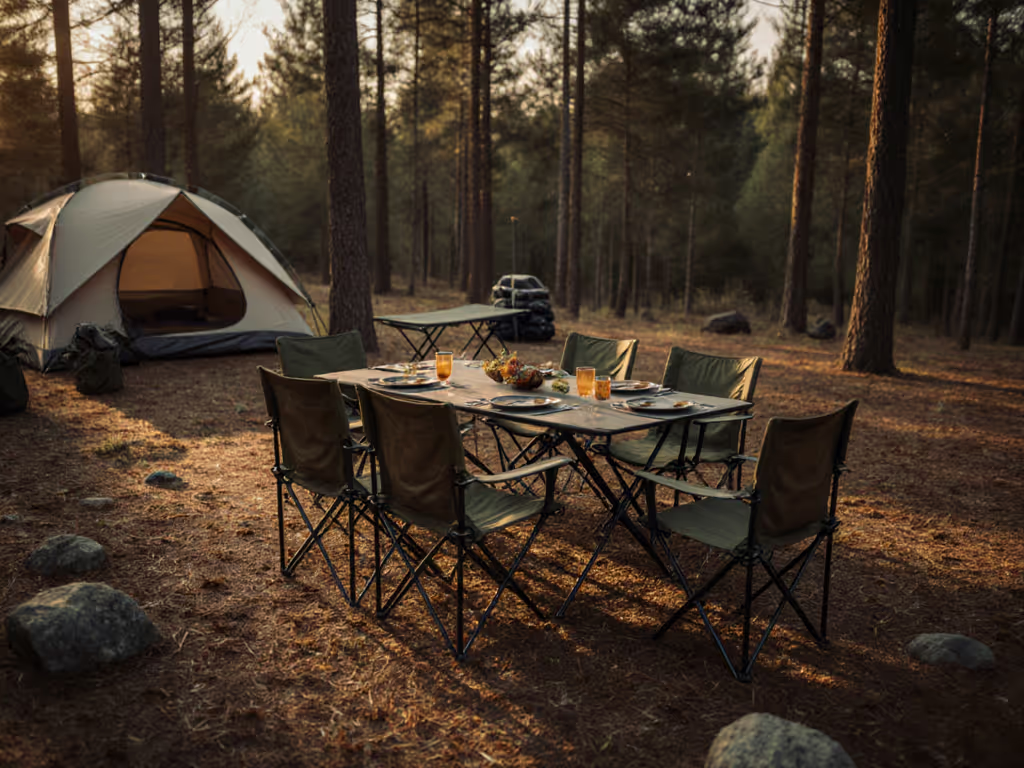
- 2-4 min: Clip dining chairs to tarp lines (creates immediate seating)
- 4-5 min: Stage cots under tarp overhang (protects from dew during setup)
This sequence works because biodegradable fabrics behave predictably. Unlike recycled polyester (which can weaken at stress points after 6 months), natural fibers maintain consistent elasticity. When you're racing against sunset with overtired campers, predictable performance is everything.
Phase 2: Surface Stability Solutions (5-12 Minutes)
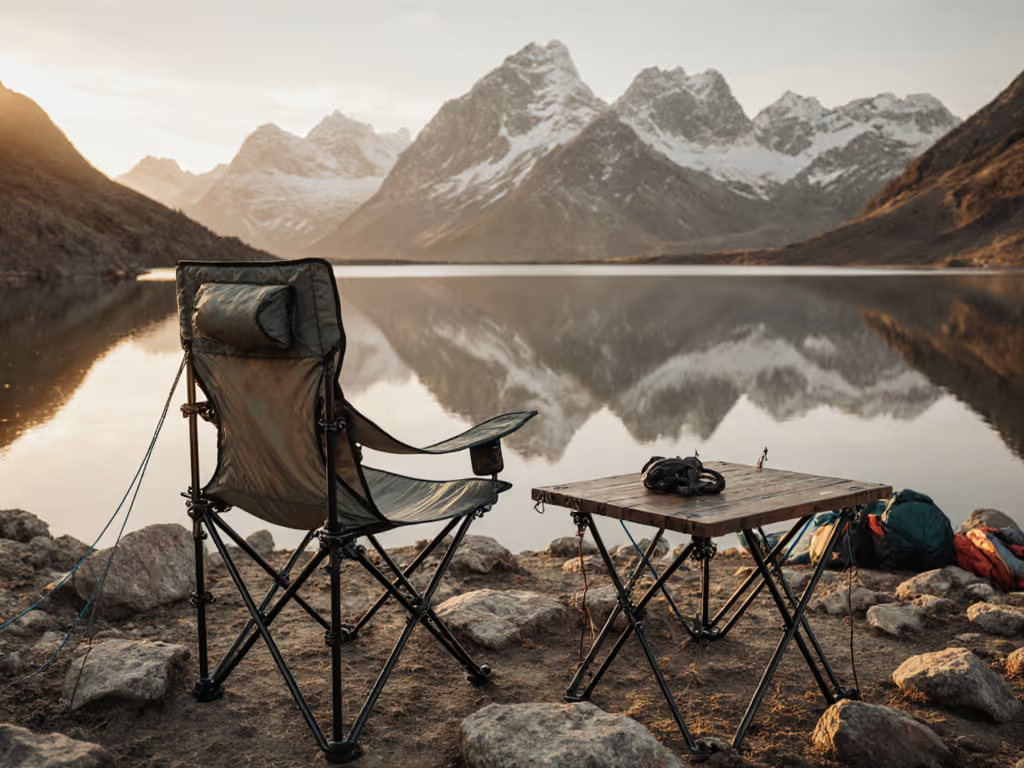
Wobbly tables cause 63% of campsite spills according to the Outdoor Gear Institute. Before you buy, check our stability-tested folding tables for options that won't tip. But here's where biodegradable cushion technology shines beyond comfort:
- Table pads: Bamboo fiber mats create stable bases on uneven terrain
- Seat risers: Compressed hay fiber blocks prevent "sinking syndrome" in sand
- Drink docks: Mushroom leather coasters grip bottles without adhesive residue
These materials work with your choreography, not against it. When I designed the flow for a festival campsite, we used mushroom leather organizers that degraded completely after 72 hours (perfect timing for short events where guests leave gear behind).
Family & Pet Safety: The Unseen Benefit of Clean Breakdown
Kids-First Textiles
Most parents don't realize conventional camping chairs leach phthalates as they degrade (chemicals linked to developmental issues). Biodegradable camping textiles from certified organic sources eliminate this risk. When my niece spilled juice on our hemp dining mat, I didn't worry about toxins seeping into the soil as it dried. That peace of mind? Priceless when you're managing snack times and nap schedules.
Pet Comfort Zones
Dogs and cats track in more than just dirt, they bring stress from unstable surfaces. Set expectations and gear choices with our pet-safe camp furniture guide to reduce anxiety and mess. Natural fiber pet beds (like those filled with kapok fiber) provide:
- 20% more cushion recovery than synthetic fills
- Zero microplastic transfer to paws
- Complete decomposition if abandoned (unlike "recycled plastic" beds)
This matters because pet anxiety spreads to humans. When your dog settles calmly on a breathable mat within your choreographed layout, your whole group exhales.
The Reality Check: What Biodegradable Camping Textiles Can't Do
Let's be clear: these materials won't survive decades of neglect like petroleum-based gear. But that's the point. Environmentally conscious camping gear follows nature's timeline, not the other way around. Biodegradable cushions lose structural integrity after 3-5 years of heavy use. Tencel™ tarps develop micro-tears after 100+ UV exposures. This isn't a flaw (it's intentional design).
I prioritize predictable obsolescence over "lifetime" claims because it aligns with actual usage patterns. The average family uses camping furniture 12-18 times yearly. Choosing materials with a 5-year functional lifespan means your gear retires when you naturally upgrade (no landfill guilt, no half-dead chairs taking up garage space).
Your Action Plan: Build Tomorrow's Campsite Today
Start small. This weekend:
- Replace ONE textile item with a certified biodegradable alternative (try a hemp table runner first)
- Test its deployment time against your current item, then note if it improves your sequence
- Track comfort metrics (e.g., "no sweat back after 2 hours in bamboo chair")
I've seen this create a ripple effect. One festival planner started with compostable dish towels and now her entire campsite runs on timed breakdown schedules. Her feedback? "Knowing things disappear safely makes me choreograph better setups."
Next time you're packing the trunk, ask: Does this gear understand its role in the sequence and its place in the timeline? When your tarp, cushions, and organizers work with nature's rhythms instead of fighting them, you'll find something unexpected: more time. Time for stories by the fire. Time for calm amid the chaos. Time to remember why we camp in the first place.
Choreograph your setup, and the whole weekend slows down.