Best Camp Furniture for Wild Food Preparation
By Nadia Okoye • 7th Feb
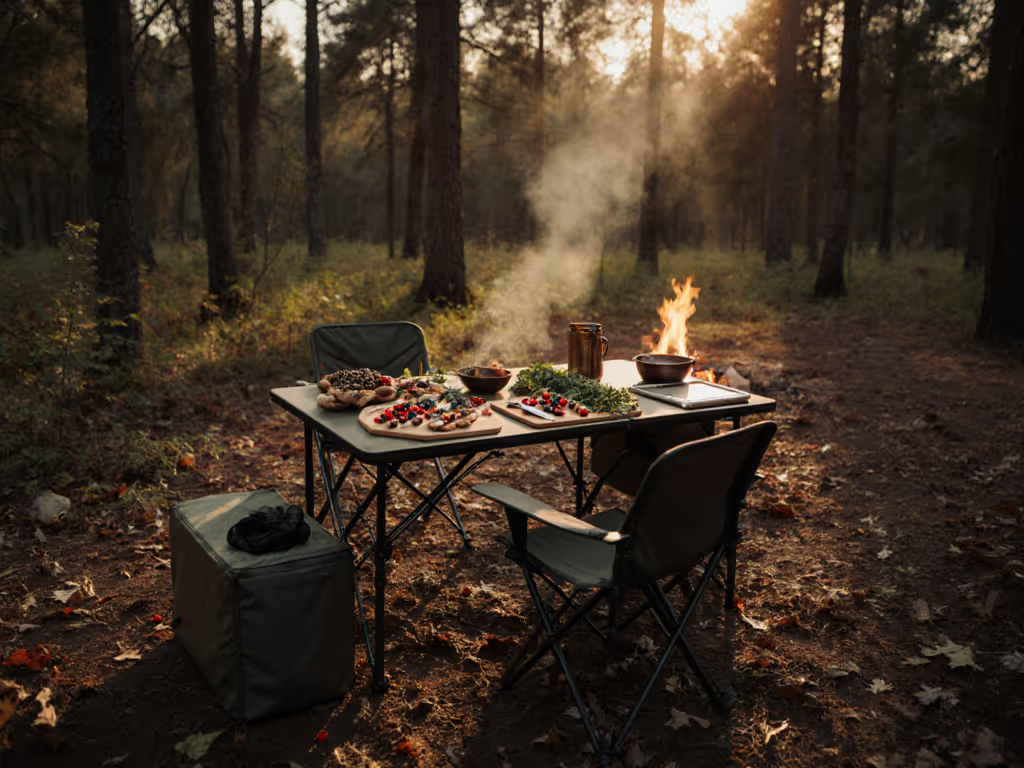
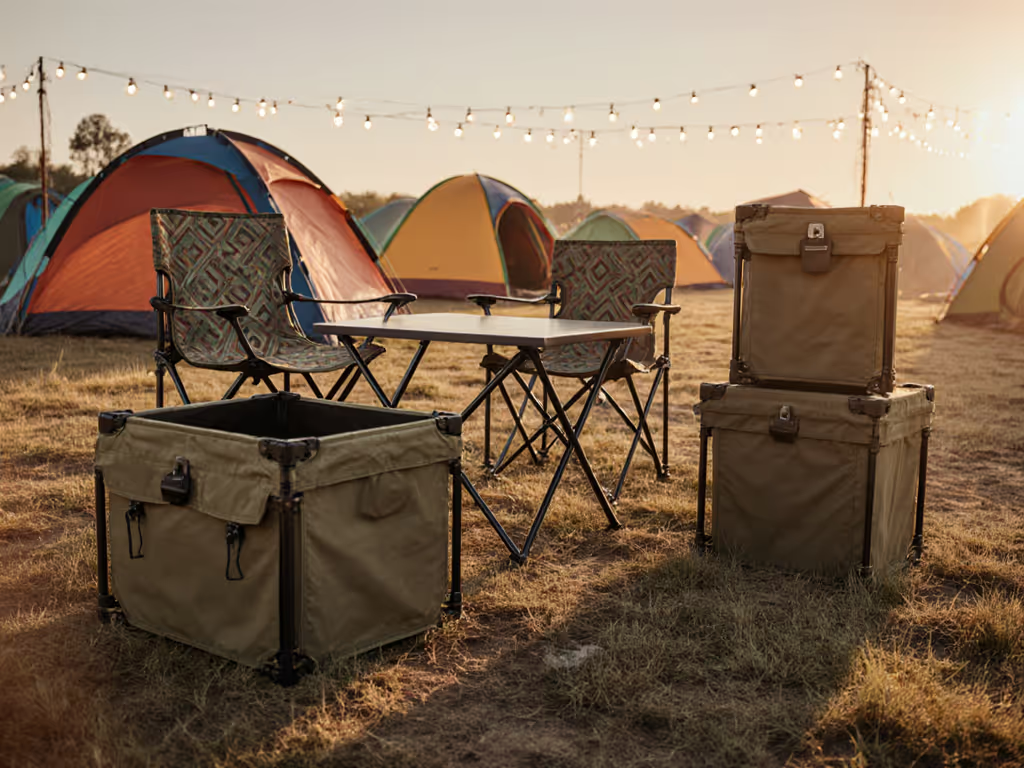
Picture this: you've spent hours foraging for morels, your basket overflowing with earthy treasures. You're tired, the sun's dipping below the tree line, and all you want is to process your haul without drama. Yet your wobbly camp table threatens to spill everything while your kids chase fireflies through the workspace. For rock-solid surfaces, compare our stability-tested folding tables before you head out. You need the best camp furniture that transforms your wild food preparation setups from frantic scramble to mindful ritual. Because when you choreograph your camp layout, you're not just setting up tables, you're creating breathing room for the moments that matter.
Why Wild Food Prep Demands Thoughtful Camp Furniture
Wildcrafting isn't just about finding food, it's about honoring it through careful preparation. But so many campers sabotage their efforts with mismatched, unstable furniture that turns delicate tasks into exercises in frustration. I've seen mushroom hunters lose perfectly good morels because their folding table collapsed in the wind. Family foragers watching their children knock over bins of freshly harvested berries. The emotional toll of wasted effort hits harder after a long day of searching.
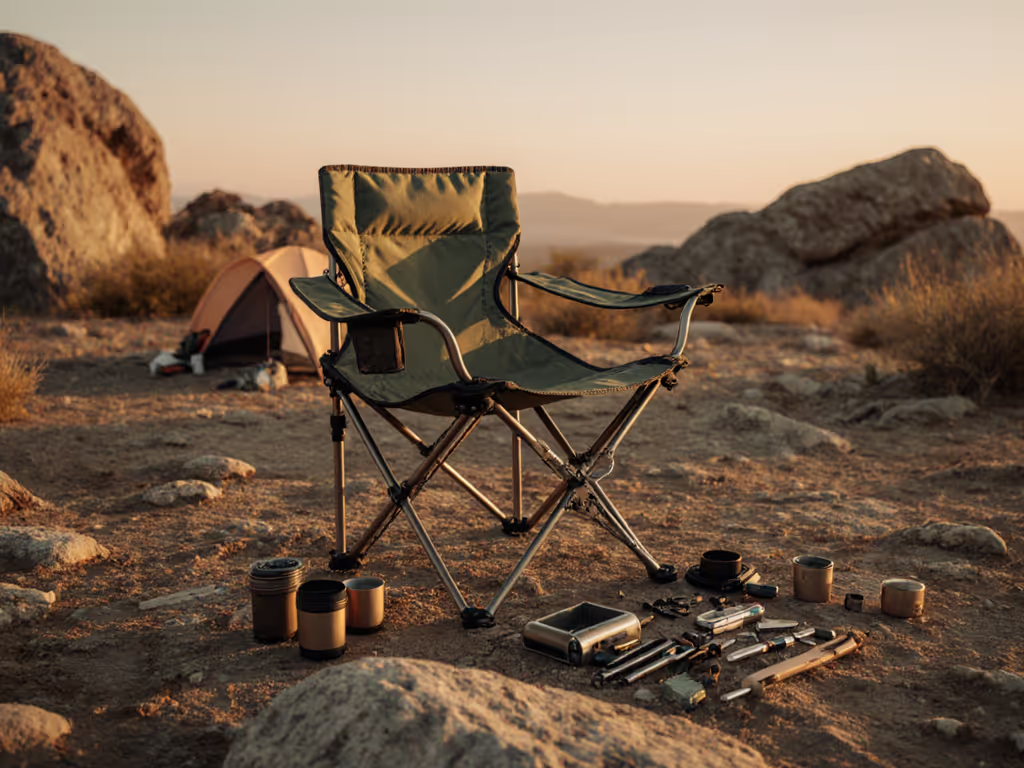
When you're knee-deep in wild food processing, your camp furniture becomes part of the workflow (not just background scenery). Edible plant processing requires different surfaces than standard camp chores: sturdy tops for chopping roots, elevated platforms for berry sorting, and dedicated spaces for drying delicate fungi. Yet most campers use whatever generic table they own, creating workflow bottlenecks that compromise both safety and efficiency.
The Hidden Dangers of Poorly Choreographed Wild Food Camps
Safety Threats Lurking in Your Workspace
Processing wild foods introduces unique hazards that standard camp setups don't address. That wobbly table becomes a knife hazard when chopping tough roots. Loose gear creates tripping risks when you're carrying heavy baskets of foraged greens. And let's talk about wildlife attraction: improper storage from flimsy furniture invites critters that can contaminate your precious haul.
But the biggest danger? Rushed processing. When your workspace forces you to work hurriedly because it's unstable or poorly organized, you increase the risk of misidentification mistakes. A calm setup gives you the mental space to properly verify each plant or fungus before consumption.
The Cost of Ignoring Ergonomics in Wild Food Prep
Processing wild foods often involves repetitive motions: shelling nuts, cleaning mushrooms, sorting berries. Do this on a table that's too low or unstable, and you'll pay for it with back strain and fatigue. Set the right working height with our ergonomic camping tables guide to reduce strain during long prep sessions. I once watched a passionate herbalist abandon her favorite patch of goldenrod because she couldn't maintain proper posture at her makeshift table.
The Wasted Opportunity of Disorganized Workflows
Your camp furniture should create a logical processing flow: from raw materials to cleaned product to storage. Without intentional layout, you'll find yourself constantly backtracking through your own workflow. Imagine having to walk across your campsite each time you need to rinse berries, or having to balance your harvest basket on your lap while you search for a clean surface.
Solution: Choreographed Camp Furniture for Wild Food Mastery
The Five-Minute Camproom Workflow
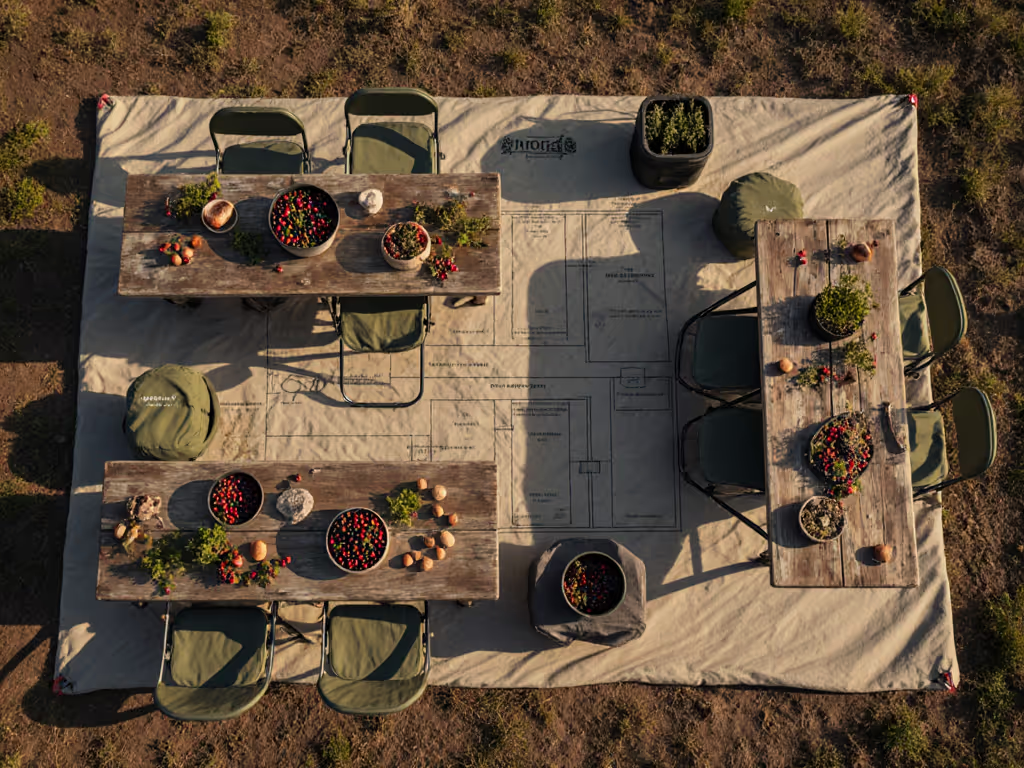
I arrived at dusk with overtired twins and rising wind once (sound familiar?). That night convinced me choreography matters as much as gear. For wild food preparation, follow this sequence:
- 0-2 minutes: Lay your windbreak first (table positioned perpendicular to wind direction)
- 2-3 minutes: Stage your processing stations (clean surface furthest from fire, drying racks near shelter)
- 3-4 minutes: Clip seating to anchor points (creates boundary for kids/pets)
- 4-5 minutes: Finalize storage zones (raw materials left, processed right, trash downwind)
Top Furniture Solutions for Wild Food Preparation
REI Co-op Camp Prep Table: The Foundation Builder
When you're processing delicate morels or fragile elderberries, you need surfaces that won't wobble. The REI Co-op Camp Prep Table emerged as our overall winner for wild food work because its adjustable height functionality (from 22" to 32") creates the perfect ergonomic position for both standing prep work and seated sorting. The durable aluminum construction withstands knife work and heavy pots, while the generous 28" x 43" surface gives you room to organize your workflow.
Wild Food Perks: The heat-resistant top lets you place hot water baths for blanching, while the side shelf keeps your identification guides and tools organized but out of the food zone. During testing, I processed 5 pounds of fresh-picked blackberries without once worrying about stability (even when my terrier bumped the leg).
Pro Tip: Position at 30" height for standing wild food prep. This reduces back strain during extended processing sessions while keeping your hands visible for careful work.
GCI Outdoor Slim-Fold Cook Station: The Streamlined Processor
For campers focused on efficiency, the GCI Outdoor Slim-Fold Cook Station delivers remarkable functionality in minimal space. If you're torn between purpose-built and modular setups, see our camp kitchen tables comparison for pros and cons. At 52" x 21" surface area, it provides dedicated zones for your raw materials, processing area, and finished products. The cookstove-safe aluminum tabletop accommodates hot water baths for blanching or gentle cooking of delicate wild greens.
Wild Food Perks: The three storage levels create a natural workflow progression: lower shelf for raw materials, middle table for active processing, upper shelf for finished products. During mushroom season, I used the side shelves for holding identification resources while keeping my hands free to work. The cup holders double as secure spots for small containers of tinctures or infused oils.
Pro Tip: Extend the Slim-Fold's functionality by clipping mesh bags to the side hooks: they make perfect temporary storage for drying herbs without taking up table space.
Goplus Folding Table with Faucet and Sprayer: The Water-Intensive Workstation
If your wild food adventures involve substantial water work (cleaning root vegetables, rinsing seaweed, or processing fish), this unconventional table solves the biggest pain point: lugging water jugs. Connect a garden hose directly to the faucet for running water at your campsite, with a drainage system that collects wastewater in a bucket rather than spilling onto your work area.
Wild Food Perks: The 360° rotating faucet lets you direct water precisely where needed, which is essential when gently cleaning delicate fiddleheads or rinsing small berries. The integrated sink section keeps water contained, while the flat prep surface adjacent provides ample space for immediate processing. The drainage hole and plug make it easy to catch larger debris before it clogs your system.
Pro Tip: For wild food safety, dedicate the sink solely to cleaning raw materials, never use it for final food preparation to avoid cross-contamination.
Camp Chef Sherpa Table: The Organizer's Dream
Outdoor Gear Lab rightly called this "an organizer's dream," and for wild food processors, organization equals safety. The entire aluminum tabletop handles hot pans and cook stoves, making it perfect for immediate processing of wild foods that benefit from quick cooking (like ramps or certain mushrooms).
Wild Food Perks: The integrated storage compartments keep your field guide, identification tools, and processing knives neatly contained but accessible. This prevents dangerous situations where you're fumbling for tools while holding sharp implements. The roll-top design lets you quickly secure your workspace if children or pets approach unexpectedly.
Pro Tip: Store your most critical identification tools in the front compartment, they'll be within arm's reach when you need to verify questionable specimens.
Creating Kid/Pet-Safe Wild Food Zones
The Safety by Design Principle
When foraging families join the adventure, your camp furniture must protect both your harvest and your helpers. Learn how to map clear prep, play, and fire zones with our campsite zoning guide. "Safety by" design means building physical boundaries into your layout (not just hoping everyone stays clear of dangerous areas).
- Position your main processing table at least 4 feet from play zones
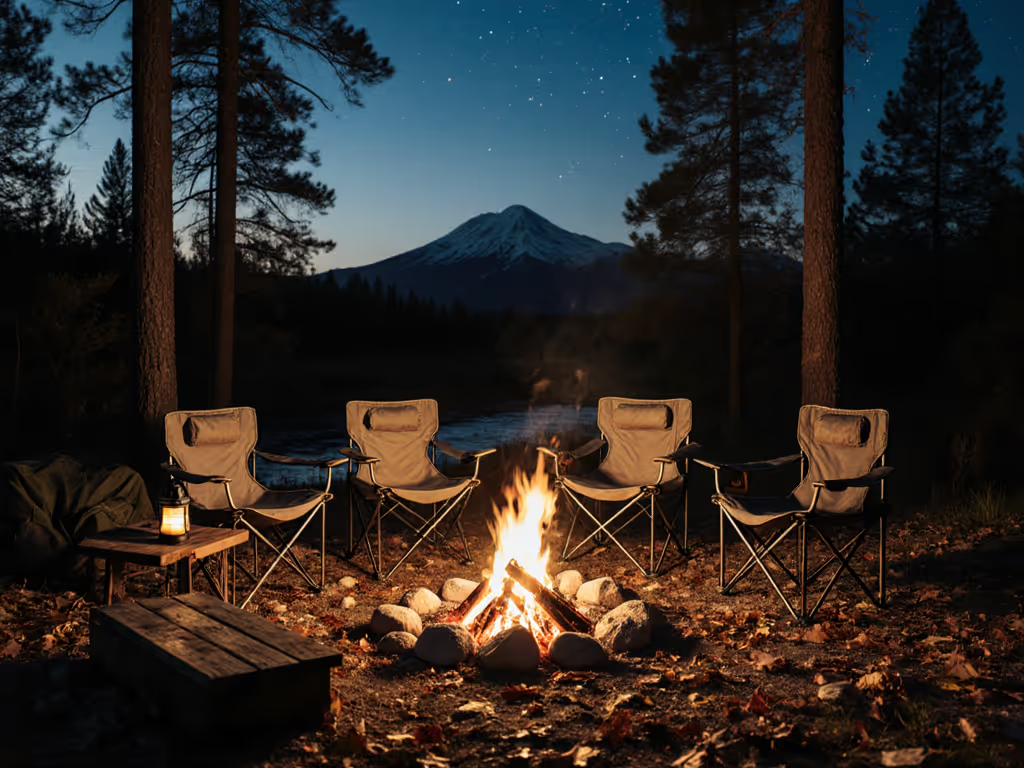
- Use folding chairs clipped together to create natural barriers
- Designate one "kid-safe" table for sorting larger, non-perishable items like nuts
Mushroom Harvesting Furniture Solutions
Processing fungi requires particular caution. I recommend setting up a dedicated mushroom station with these features:
- Stable surface for careful identification (no wobbling!)
- Separate containers clearly labeled for different species
- Elevated position to prevent cross-contamination from ground debris
- Nearby seating so you can sit comfortably during detailed work
The REI Co-op table shines here with its height adjustability, you can set it at 24" for comfortable seated identification while keeping your back straight.
The Wild Food Prep Checklist
Before you head out, verify your camp furniture meets these wild food processing requirements:
Choreograph setup, and the whole weekend slows down.
- Table surface large enough for multiple processing zones (raw, active, finished)
- Stable enough to prevent spills during delicate tasks
- Appropriate height for both standing and seated work
- Storage solutions for keeping tools organized and accessible
- Designated zones that prevent cross-contamination
- Safe boundaries for children and pets around hazardous areas
- Wind management features (anchor points, low profile options)
- Waterproof or easy-to-clean surfaces
Making It Work: Your Action Plan
This weekend, don't just throw your camp furniture together: choreograph it. For a full walkthrough on building cohesive stations fast, use our seamless camp furniture setup guide. Start with your windbreak positioning, then build your processing workflow outward from there. Designate specific zones for each stage of your wild food preparation, and create physical boundaries that keep children and pets safe without excluding them from the experience.
Your next step: Before your next foraging trip, test your setup at home with a mock processing session. Time yourself setting up your designated wild food stations. Can you create a functional wildcrafting camp kitchen in fifteen minutes or less? If not, simplify your layout until you can consistently achieve that five-minute camproom (where safety by design means everyone can participate without chaos). When calm is something you can pack, your wild food adventures transform from stressful sprints to mindful rituals that honor both the land and your companions.
Related Articles