
Saltwater Camping Furniture Care: Prevent Corrosion
By Nadia Okoye • 3rd Feb
Saltwater camping furniture care isn't just about preserving your gear, it's about ensuring your hard-earned relaxation time isn't derailed by unexpected failures. When you're practicing marine environment gear maintenance right, you're not just protecting metal; you're protecting your peace of mind. That five-minute window between setting up camp and enjoying sunset becomes sacred when you've choreographed your entire campsite workflow (especially when tiny hands and paws are exploring every corner).
The Unseen Enemy: How Saltwater Attacks Your Campsite Sanctuary
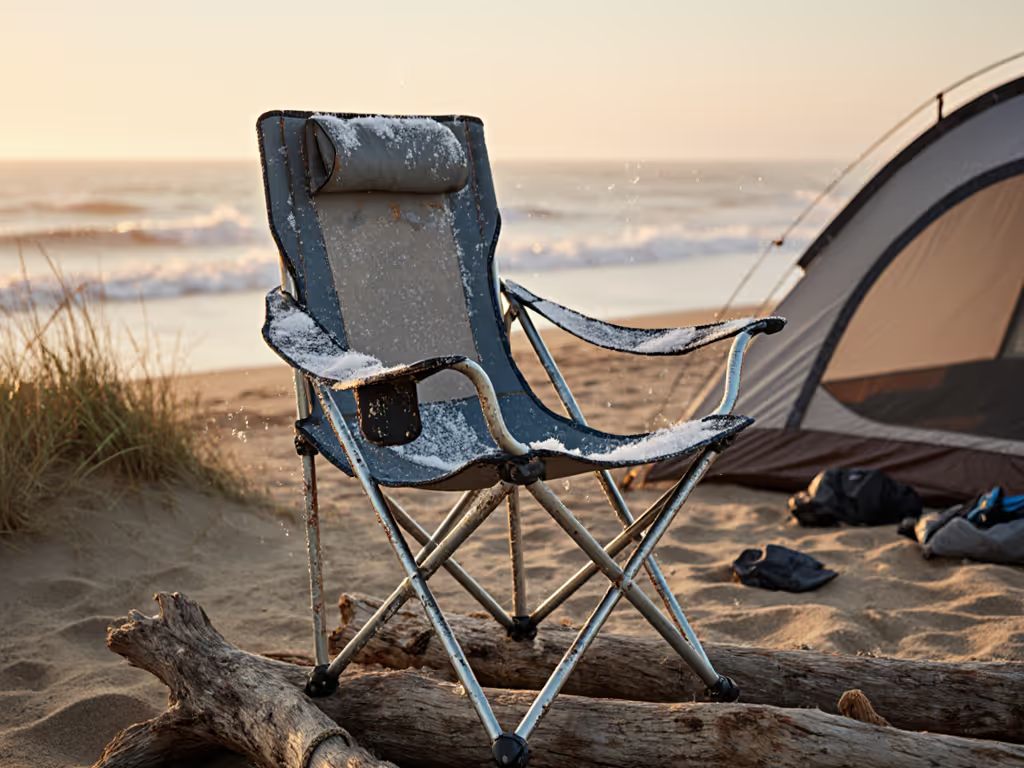
You arrive at your beach site just as the sun dips low, adrenaline pumping from the drive, kids already bickering in the backseat. As you unpack, that invisible threat begins its work: salt particles from ocean air settle on every metal surface. Within hours, this seemingly harmless mist starts reacting with moisture, creating a corrosive cocktail that eats away at your carefully chosen furniture. If you frequent the coast, start with our guide to rust-resistant beach camping chairs built for sand stability and salt exposure.
Unlike home patio furniture, your camping gear faces unique challenges:
- Constant exposure during transit: Stored in damp trunks, coastal drives expose furniture to salt air even when not in use
- Lack of protective coatings: Many camping chairs and tables skip marine-grade finishes to save weight
- Daily handling: Finger oils mixed with salt accelerate corrosion on high-touch points like leg joints and armrests
- Intermittent use: Unlike home furniture that stays outside, camping gear experiences cycles of salt exposure followed by dry storage, which actually accelerates deterioration
When your foldable table's aluminum joints seize up mid-setup or your kids' chair leg snaps from hidden corrosion, that's not just an equipment failure, it's chaos you could have choreographed away.
Why Standard Care Falls Short At The Shore
Most campers treat their gear like weekend warriors: set it up, use it, pack it away. But saltwater camping demands more strategic thinking. That "quick wipe-down" you do at home? It's insufficient against salt particles that embed themselves in microscopic crevices of your furniture. Left untreated overnight, salt crystals begin etching into metal surfaces (a problem that doubles when sand gets involved, creating abrasive salt-sand paste).
I remember arriving at a beach site with overtired twins as dusk settled and wind picked up. We got the bare essentials set up that night, but the next morning revealed scattered salt deposits on our table legs and chair frames. That experience taught me: saltwater camping furniture care must be baked into your entire sequence, not an afterthought. For broader upkeep beyond salt exposure, see our camping chair maintenance guide to stop wobble and extend lifespan. When corrosion strikes your gear mid-trip, it doesn't just ruin furniture; it shatters the calm rhythm you worked so hard to establish.
Your Saltwater Furniture Preservation Protocol
Treat saltwater camping furniture care as another critical element in your setup choreography. These steps integrate seamlessly with your existing packing sequence without adding significant time, just strategic moments that prevent weeks of damage.
Daily Salt Flush (2-Minute Sequence)
Choreograph setup, and the whole weekend slows down.
Before packing up each morning:
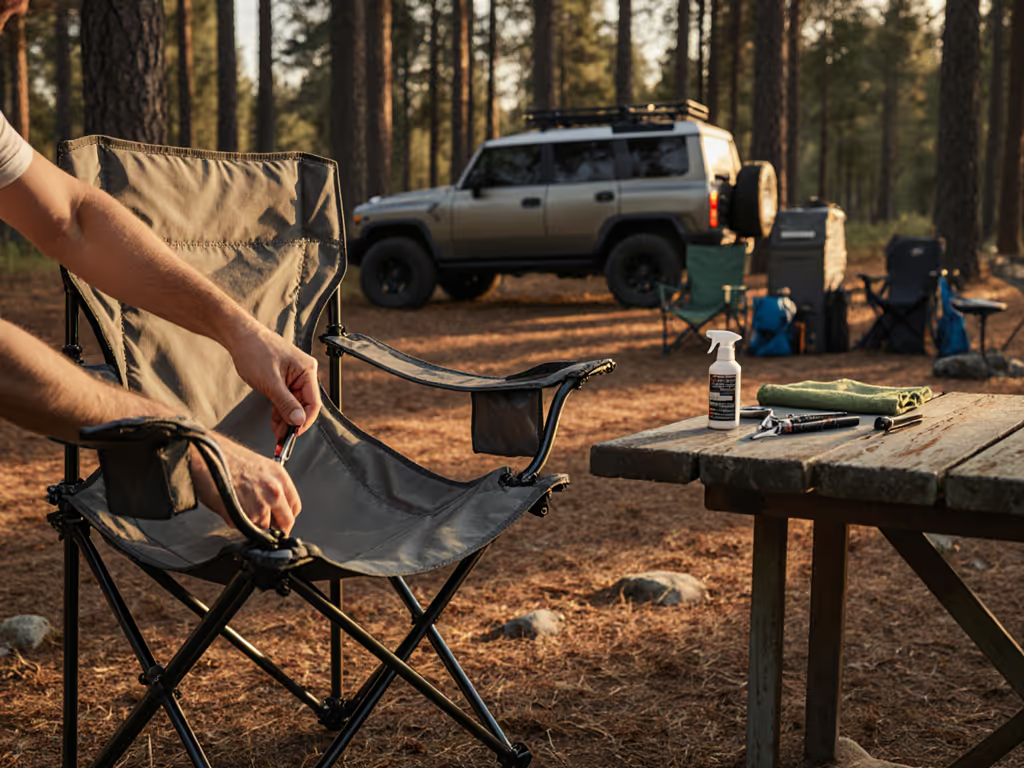
- 5:00 AM: Rinse metal components with fresh water (a collapsible bucket works perfectly)
- 5:02 AM: Wipe down joints and crevices with microfiber cloth, focus on stress points
- 5:03 AM: Apply quick-dry lubricant to moving parts (prevents salt crystal buildup)
This simple routine prevents the "invisible damage" that turns reliable gear into liabilities. To harden your setup against wind, rain, and sun as well, check our weather-tough furniture strategies. For ocean-side gear care, consistency beats intensity, daily attention prevents the need for intensive restoration later.
Pre-Trip Protective Layering (10-Minute Sequence)
Three days before your trip:
- Inspect: Check for existing corrosion or compromised coatings
- Clean: Wash with mild soap solution (no abrasive cleaners)
- Dry: Full air-dry for 24 hours minimum
- Protect: Apply marine-grade sealant to vulnerable joints and connection points
- Document: Note any areas needing extra attention for your next trip
Aluminum furniture benefits particularly from this step. While naturally rust-resistant, aluminum in salt environments needs protection against pitting corrosion (a silent destroyer that weakens structural integrity without obvious surface signs).
Post-Trip Deep Care (15-Minute Sequence)
Immediately upon return:
- Rinse first: Before packing away, give everything a thorough fresh water rinse
- Air-dry completely: Set up gear in your garage or driveway for 24 hours
- Light lubrication: Apply corrosion inhibitor to all metal-to-metal contact points
- Storage prep: Pack with silica gel packets near metal components
This sequence prevents the "storage corrosion" that ruins gear between trips. For long breaks between trips, follow our off-season storage guide to prevent moisture and mold from sneaking back in. Most campers make the mistake of packing away slightly damp gear, trapping salt against metal for weeks or months.
Material-Specific Strategies For Long-Lasting Gear
Aluminum Furniture Care
Aluminum is your friend at the beach, but needs strategic care:
- Avoid steel wool or abrasive cleaners that scratch protective oxide layers
- For salt corrosion prevention, use vinegar-water solution (1:1) for stubborn deposits
- Check powder-coated finishes for chips, touch up with matching paint immediately
Steel Components
- Apply anti-corrosive spray specifically formulated for marine environments
- For screws and small hardware, consider replacing with stainless steel versions
- Store with desiccants in containers to absorb residual moisture
Fabric & Composites
- Rinse salt from mesh seating and fabric components
- Use UV protectant spray to prevent salt-accelerated sun damage
- Store rolled (not folded) to prevent crease corrosion
The Calm Campsite Connection
Remember: saltwater camping furniture care isn't just about preserving expensive gear. When your chairs and tables function as expected, they support your entire campsite ecosystem. Wobbly furniture creates constant micro-stress; stable furniture creates space for connection. That's why I include corrosion prevention in my choreographed sequences, it reduces cognitive load by eliminating one more potential point of failure.
A well-maintained campsite becomes a true extension of your home, where kids can safely explore and adults can truly unwind. Your beach camping furniture preservation efforts pay off in unexpected ways: less time troubleshooting gear failures means more time building sandcastles or watching sunset with someone you love.
Related Articles


Care, Maintenance & Weather Protection
Best Camp Furniture: Proven Weather-Tough Setup Strategies
Spec camp furniture for the conditions you’ll actually face, not just weight. Get tested, practical tactics - UV-resilient materials, modular interfaces, terrain-adaptive feet, cross-bracing, and a three-tier anchoring plan - to keep your setup stable in wind, sand, and on rock.