Rain-Resistant Camping Furniture Compared for Wet Weather
By Diego Matsuura • 17th May
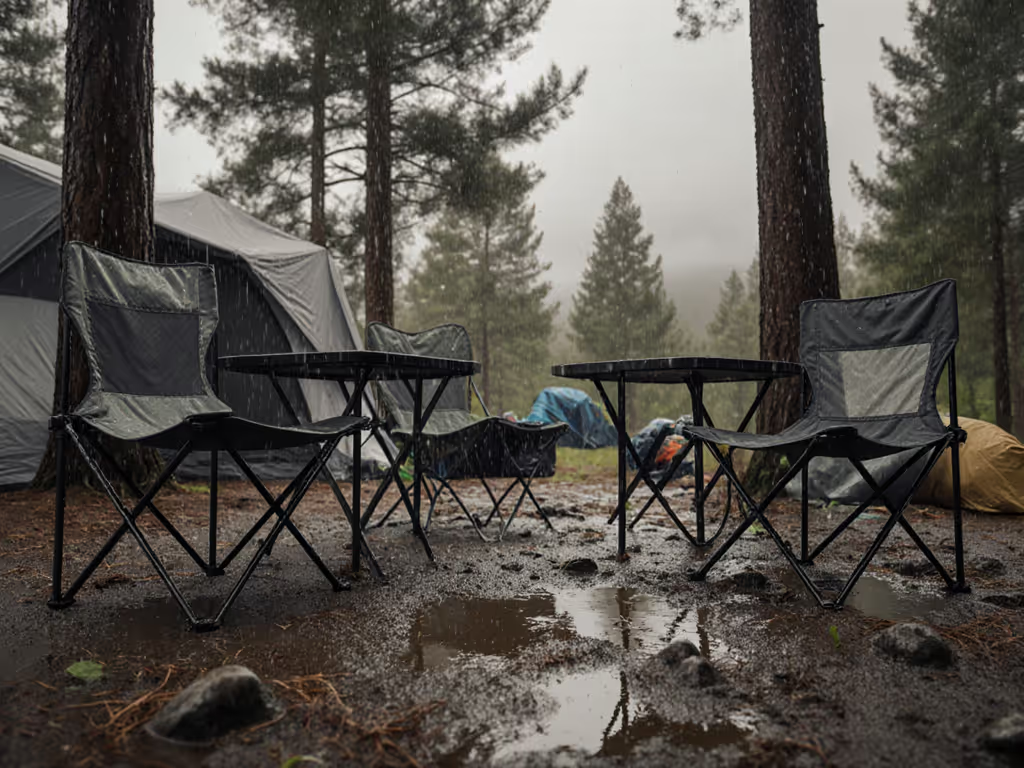
When rain rolls in, rain-resistant camping furniture stops being a "nice to have" and becomes the difference between a quick meal in misery and a relaxed, dry evening. The right wet weather camp seating and tables don't just stay intact; they keep your body out of the cold splash zone, your shoulders relaxed, and your group actually willing to linger.
I'll walk through the most common questions I hear when people start planning for wet trips, and I'll answer them with geometry in mind: seat heights, angles, and how water moves. Because at camp, comfort is geometry working quietly in your favor. For a deeper dive into posture and angles, see our camp chair geometry guide.
FAQ 1: What actually makes camping furniture "rain-resistant"?
Think of rain-resistance in three layers: materials, construction, and drainage.
1. Materials
Frames
- Aluminum - Won't rust, just be sure joints are well-coated. Great for frequent wet use.
- Powder-coated steel - Strong and more affordable but will eventually corrode if the coating chips and sits wet and muddy all season.
Surfaces and fabrics
- Polyester or nylon fabrics - Common on good camp chairs. They don't absorb much water and dry faster than cotton, but thick padded panels can hold more moisture.
- Open mesh panels - Excellent for wet weather because water drains through instead of pooling on the seat.
- Plastic/resin or aluminum table tops - These are your friends. They wipe clean, don't absorb water, and don't swell like untreated wood.
- Wood - Needs proper sealing or it will soak, swell, and stay cold and damp against your arms and wrists.
2. Construction
Rain finds every low point and crack, so design matters.
- Tensioned seat fabric keeps you off the puddle zone. If the seat sags into a deep hammock when you sit, water will collect there in a storm.
- Taped seams and double-stitching reduce water getting into padding where it can't escape quickly.
- Non-wicking webbing for armrests and straps stays drier; cotton webbing acts like a wet towel.
3. Drainage and Drying
This is where a lot of "rugged" furniture fails in real rain.
- Drain holes in cupholders, table corners, and low spots on seats let water out instead of forming mini bird baths.
- Sloped surfaces (2-5° of tilt) on tables and seat pans prevent pooling. Completely flat plastic tables become skating rinks when wet.
- Minimal hidden foam - Padding is great, but in constant rain, thick, enclosed foam stays soggy. Look for either quick-dry foams or padding with obvious vent paths.
If you're comparing items online, scan product photos for these cues: visible mesh, drain holes, and how tightly the fabric is pulled across the frame. That's your quick visual drainage design comparison. For fabric-by-fabric rain performance, compare our weather-resistant camp fabrics.
FAQ 2: How do rain and mud affect comfort, not just durability?
Wet gear doesn't just rust; it changes how your body sits.
Cold and pressure points
- A cold, wet seat pan pulls heat from the backs of your thighs and glutes. Within 10-15 minutes, many people start fidgeting or standing up.
- If the chair fabric stretches when wet, your hip angle closes - your knees rise closer to your chest, and your lower back rounds. That's when dinner turns into a core workout.
Sinking legs and awkward posture
Mud and soggy ground change your geometry:
- If chair legs sink an inch or two, your seat-to-ground height drops and the seat-to-table gap shrinks. Suddenly the table feels too high.
- Front legs sinking more than rear legs tilt you backward, so you're craning your neck to reach food or cards.
I've watched whole groups quietly stand up halfway through meals in the rain, not because they're done eating, but because the angles changed under them. Once we adjusted leg supports and table height, everyone settled back in.
In wet conditions, the most important "waterproofing" is keeping your joints at friendly angles for an hour or more.
That's why seat-to-table fit matters, especially in the rain.
FAQ 3: How should I compare drainage designs on chairs and tables?
Let's get specific, because this is where rain-resistant camping furniture separates from "just fine when it's dry."
Chairs: drainage and drying
Ask these questions:
-
Where does water go when nobody is sitting in it?
- If there's a deep pocket between the backrest and the seat, that's a rain trap.
- Chairs with a slight front-to-back slope (seat slightly lower at the back) tend to drain off the front edge instead of pooling at the lumbar.
-
Is there mesh where your body doesn't need padding?
- Mesh panels under the thighs and at the lower back let water and humidity out but still support your weight.
-
How fast will it dry once the rain stops?
- Thin, tensioned fabric + airflow under the seat = fastest.
- Thick, quilted panels with no airflow underneath = slowest.
A simple home test before a trip: set the chair in your yard, hose it down, and time how long it takes for puddles to disappear.
Tables: staying useful when wet
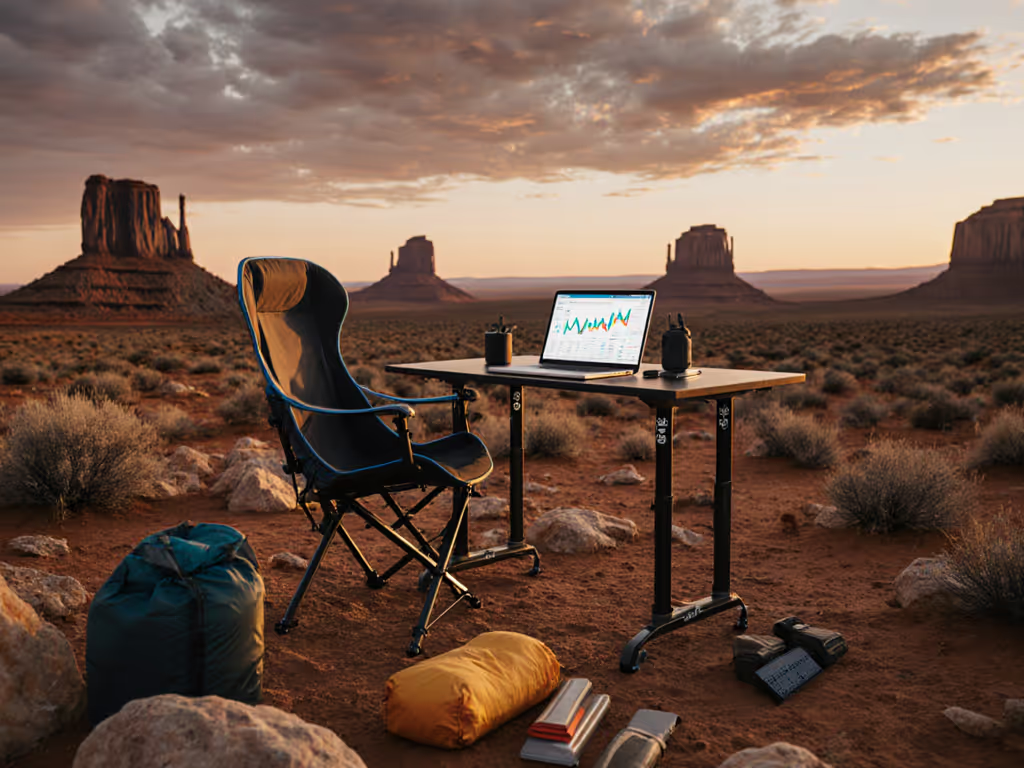
For tables, focus on mud-proof table systems that stay stable and usable:
- Leg design
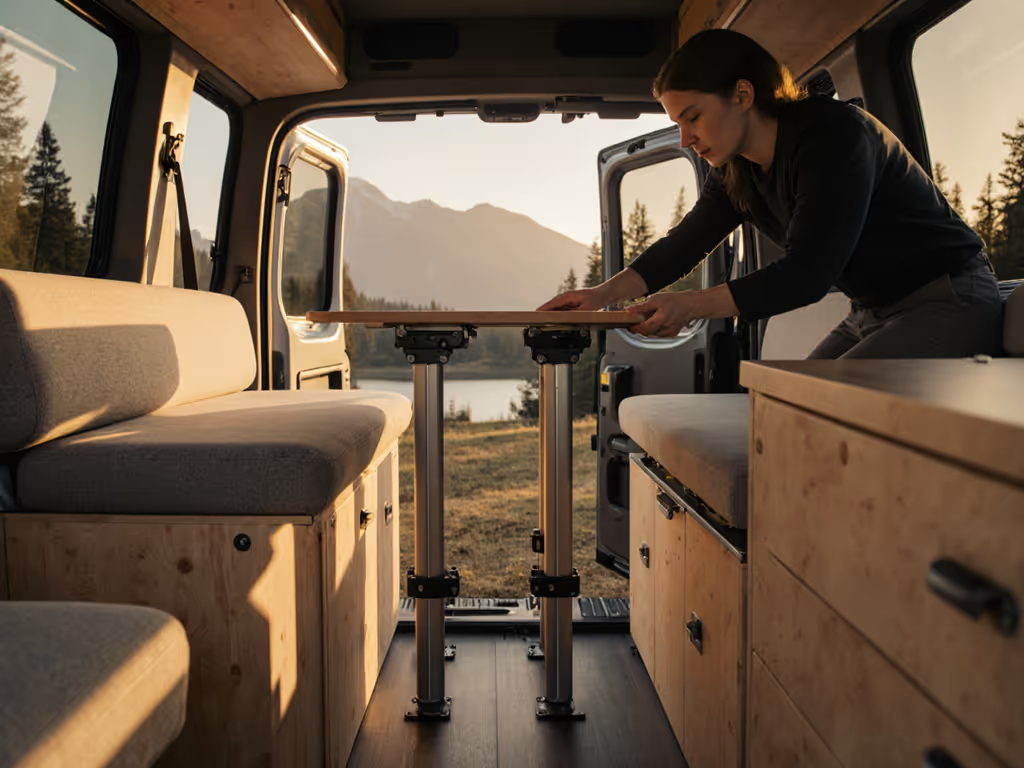
- Individual adjustable legs handle uneven ground and puddles best.
- Wide feet or sand plates prevent legs from spearing into mud.
- Top surface
- Slatted aluminum roll-tops shed water between slats and dry quickly.
- Solid plastic tops are fine if they have subtle texture and slightly rounded edges for runoff.
When you compare, look for: drain paths at the corners, small overhangs so water drips off instead of running underneath, and any mention of "adjustable feet" or "mud plates."
FAQ 4: What kinds of wet weather camp seating work best for long, rainy evenings?
"Good camp chairs" in dry weather aren't always good in the rain. For comfort in wet conditions, think in three categories.
1. Upright dining chairs (seat height ~17-19" / 43-48 cm)
Best when you eat or play games at a standard camp table.
Look for:
- Seat height around 18" so adults' knees are close to 90° when feet are flat.
- A backrest angle of ~100-110° (slightly reclined) so you're not bolt-upright.
- Armrests that don't hold water; padded is okay if the fabric sheds water.
- Fast-dry fabrics with limited, well-placed padding.
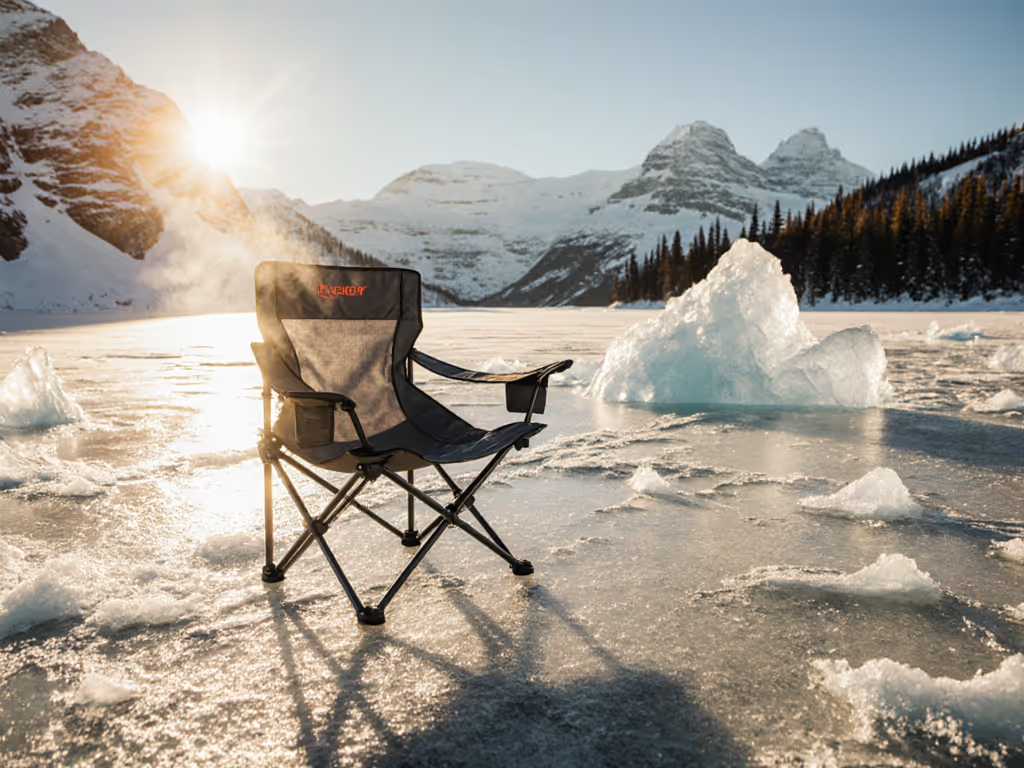
A classic padded quad chair, like the Coleman Portable Camping Chair with 4-Can Cooler, works well for mixed weather: polyester fabric, solid steel frame, and a seat height that keeps most adults at a comfortable angle relative to a typical folding camp table. It isn't as fast-drying as a fully mesh hiking chair, but for drizzle, wet grass, and cool evenings it balances cushioning with wipe-clean surfaces.
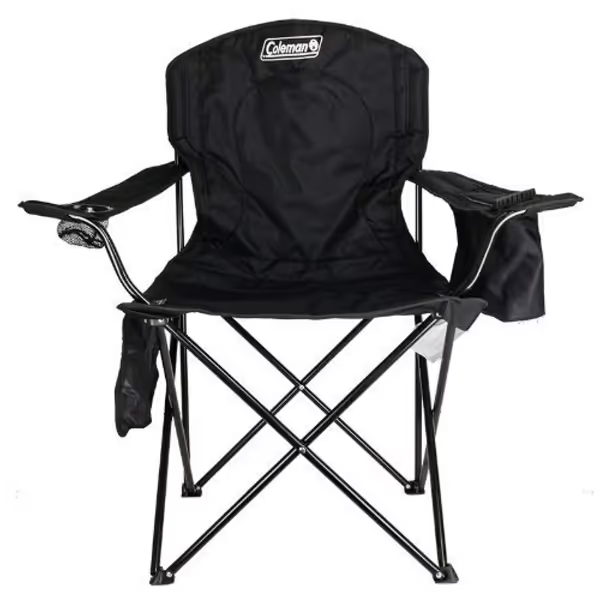
Coleman Portable Camping Chair
Your comfy camp chair with an integrated cooler for instant cold drinks.
$34.99
Seat Height18.1 in.
Seat Height18.1 in.
Pros
Integrated 4-can cooler eliminates constant trips.
Fully cushioned for superior comfort and support.
Cons
Durability reports are mixed among users.
Customers find this camping chair to be of good quality, comfortable, and sturdy, with a nice wide design and convenient storage pockets. They appreciate the built-in cooler feature and consider it well worth the price. The durability receives mixed feedback - while some say it should last a long time, others report it breaking right away.
Customers find this camping chair to be of good quality, comfortable, and sturdy, with a nice wide design and convenient storage pockets. They appreciate the built-in cooler feature and consider it well worth the price. The durability receives mixed feedback - while some say it should last a long time, others report it breaking right away.
2. Lounge chairs and low chairs (seat height ~12-15" / 30-38 cm)
These shine at the fire but can be challenging in rain:
- Lower seats mean more splash back from mud and puddles.
- Your hips sit lower than your knees, which can be tough on older knees and backs, especially when the ground is soft.
If you love a low lounger:
- Prioritize mesh seats with minimal padding.
- Add a mat or platform under the front legs to reduce sinking.
3. Benches and stools
These are versatile in tight spaces and under small tarps:
- A slatted plastic or aluminum bench drains quickly and shares easily between kids and adults.
- Backless seating is okay for short meals but tiring for long, rainy game nights.
I generally recommend at least one sturdy, upright chair per adult who's likely to stay at the table for an hour or more. You can mix in lounge chairs and benches for flexibility, but your core should be rain-capable dining chairs.
FAQ 5: How do I keep tables stable and usable in rain and mud?
When ground turns soft, tables fail in two main ways: they tilt or they trampoline. See our stability tests of folding camping tables that won't tip for models that stay usable in rain.
Choose the right leg geometry
For wet, uneven campsites:
- Prefer four independent legs over X-frame "picnic" styles if possible; you can adjust placement to avoid holes and roots.
- Look for wide, round feet (or bring clip-on mud plates). Narrow, pointy legs punch through soft soil.
- If the table doesn't have wide feet, you can improvise with small cutting boards or scrap plywood under each foot to spread load.
Lock out wobble
- Cross-braces or tension bars under the table limit side-to-side wobble when the wind hits or someone leans.
- Avoid tall, narrow tables unless they have strong bracing; they're more likely to rack and spill drinks.
Surfaces that work in the rain
For rain and mud, the best mud-proof table systems share traits:
- Hard, non-absorbent tops (aluminum, resin, well-coated wood).
- Simple geometry with no deep grooves where muddy water can sit.
- A lip or very slight edge can help stop water and cups from sliding off, but avoid tall rims that trap puddles.
If you often cook in the rain, consider two tables: one sturdy, rain-ready work surface at waist height for cooking, and a lighter, slightly smaller table for dining and cards. It distributes weight and reduces catastrophic spills.
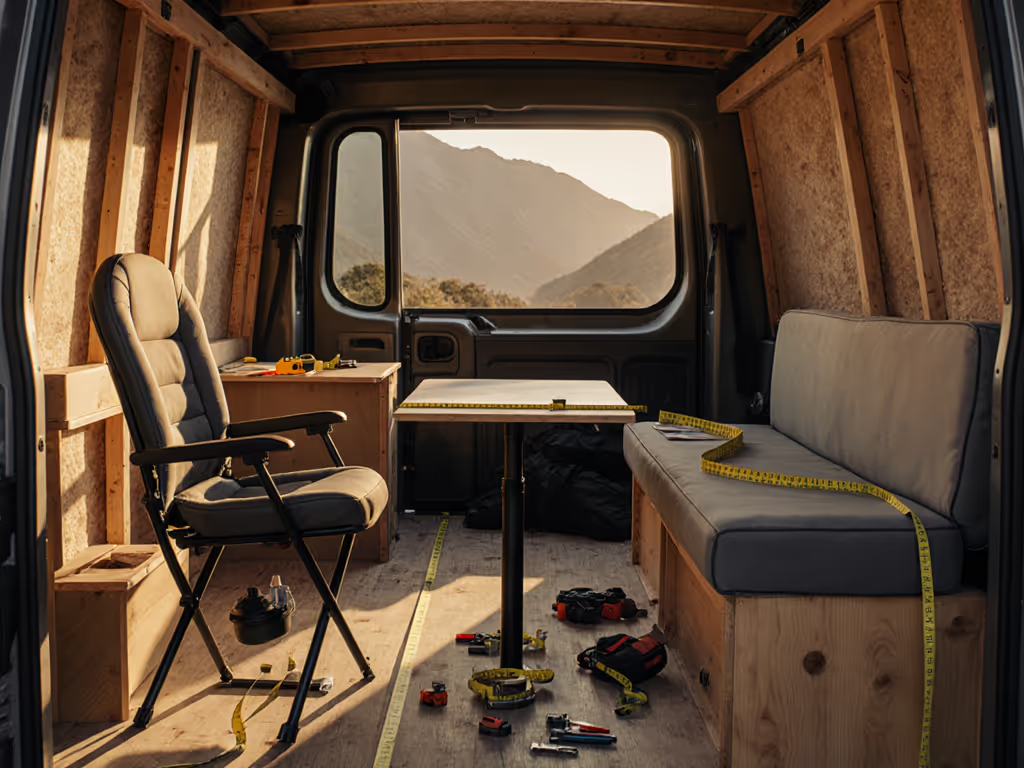
FAQ 6: How do I match seat height to table height when everything is wet and sinking?
This is the part most people skip in their planning, and it's the main reason they keep standing up mid-meal.
Target geometry for comfort
For adults, a good starting ratio in any weather:
- Table height: 27-29" (69-74 cm)
- Seat height: 17-19" (43-48 cm)
- Seat-to-table difference: about 10-12" (25-30 cm)
That gap keeps shoulders relaxed and elbows just below the tabletop so you can cut food or play cards without shrugging.
In wet conditions, factor in sinking:
- On soft ground, expect chair legs to sink 0.5-1" under a typical adult, more with narrow feet.
- Tables with wider bases or crossbars tend to sink less.
Practical tips
- If your usual camp area is soft or muddy, choose chairs with slightly higher seat height within reason (an 18-19" seat instead of 16") so once they compress the ground, you land in the comfort zone.
- Use mats or boards under chair legs for heavier adults or older campers who need easier stand-up height.
- If you have multiple table options, bring the one that matches your primary chairs. This is where seat-to-table fit matters most for long, rainy meals.
A few minutes of experimentation in your backyard (matching your chairs to your table on grass after a watering) will tell you more than any spec sheet.
FAQ 7: What features should I prioritize if my trips are often wet?
Here's a concise checklist, tuned for comfort in wet conditions rather than ultralight packing.
Chairs
- Fast-draining seats - mesh or taut polyester with minimal puddle zones.
- Seat height 17-19" for primary dining chairs; higher end of that range for older or taller campers.
- Stable, wide feet or compatibility with add-on mud plates.
- Non-absorbent armrests - fabric or hard plastic beats foam-only pads.
- Steel or aluminum frame with quality coating; avoid uncoated steel if you camp in constant rain.
Tables
- Adjustable legs or at least one pair of height-adjustable corners.
- Hard, wipe-clean top that won't swell.
- Cross-bracing to stay solid in wind and when the ground softens.
System-level considerations
- Furniture that packs reasonably flat so you can still fit tarps, bins, and a large cooler.
- Matching seat and table heights so everyone can stay seated through an hour-long meal or card game even when it's drizzling.
I bias my recommendations this way because a slightly bulkier but more ergonomic kit usually wins in real wet weekends over an ultracompact system that feels like a compromise the entire time.
FAQ 8: How do I design a simple, rain-ready camp layout for a group?
Wet weather punishes bad layouts more than bad gear. If high winds and heavy rain are on the forecast, use this storm anchoring guide to keep furniture secured under tarps and awnings. Even with modest furniture, you can feel dialed-in if your geometry is smart.
1. Prioritize dry, level seating zones
- Set dining chairs and tables under your most reliable shelter (tarp, awning, big vestibule).
- Place chairs so backs face the wind, reducing rain blowing into hoods and collars.
2. Keep walkways short and obvious
- Arrange chairs in two arcs facing each other across the table instead of a scattered ring. Shorter routes mean fewer muddy feet tracking through.
- Leave at least 18" (45 cm) behind each chair for movement without bumping neighbors.
3. Separate wet and dry work surfaces
- One table near the cooking zone for prep and stove (this one may get wet).
- Another cleaner table in the lounge/dining zone for games and shared dishes.
4. Plan for scaling up
- Choose at least one bench or backless stool that can slide in anywhere when an extra person shows up.
- Keep a mental map: two primary upright chairs for the longest sits, plus flexible seating that can migrate between fire, kitchen, and dining zones.
When everything's dialed, the camp feels like a small, coherent living room under a tarp, not a wet yard sale. That's when people stop hovering at the edges and actually settle in for another round of stories.
FAQ 9: Can I pack furniture away wet? How do I care for it after a rainy trip?
You can temporarily pack wet, but you can't store wet.
Short-term (leaving camp in the rain)
- Shake off pooled water.
- Wipe mud from feet and legs so it doesn't grind into fabric in the car.
- Fold and bag chairs and tables to keep your vehicle cleaner; don't worry about a bit of dampness for a few hours.
At home (same day or next day)
- Fully deploy everything in a garage, balcony, or yard as soon as you can.
- Use a soft brush and mild soap on muddy frames and table legs.
- Let fabrics dry 100% before re-packing to avoid mildew and rot, especially at seams and in padded zones. When the season ends, follow our off-season storage guide to prevent corrosion and fabric damage.
A small post-trip ritual (10-15 minutes of wiping and airing) will add years to the life of your wet-weather kit and keep hinges, rivets, and fabric tension behaving the way they did on day one.
Your next step: test your rain geometry at home
Before your next wet trip, pull out your current chairs and tables and run this simple checklist:
- Match heights: Sit in your main chair at your camp table. Measure the seat-to-table gap; aim for 10-12" once the chair has settled on the ground.
- Simulate rain: Hose down one chair and the table. Watch where water collects, how fast it drains, and whether your seat angle changes.
- Check stability: Press down on each corner of the table and each chair leg. Imagine that leg in mud. Would you trust it?
From there, make a short upgrade list: maybe that's swapping one or two primary dining chairs for more rain-ready models like a mesh-panel quad, or adding a more stable, wipe-clean table with adjustable legs.
Focus first on the pieces you use the longest in the rain: your main chairs and main table. Once those are right, everything else (tarps, stoves, lanterns) slots into a camp where comfort is geometry working quietly in your favor.
Related Articles